In today’s super busy culinary scene, picking the right plastic wrap for your kitchen isn’t just a small detail — it’s actually pretty important if you want to keep your food fresh and make life easier. Whether you’re saving leftovers, covering up a dish, or prepping meals in advance, having the right plastic wrap can really make a difference. Here at Rizhao Wanjia International SCM Co., Ltd., we focus on making top-quality plastic products, including cling film that provides a tight seal and keeps your food protected. With so many options out there, it’s good to understand what each type offers, what benefits they bring, and what they’re best used for — so you can make smarter choices. This ultimate guide is here to give you helpful tips and key points, making sure you pick the Best Plastic Wrap for your specific kitchen needs. That way, all your food storage is covered, tidy, and effortless.
Understanding the Different Types of Plastic Wrap Available in the Market
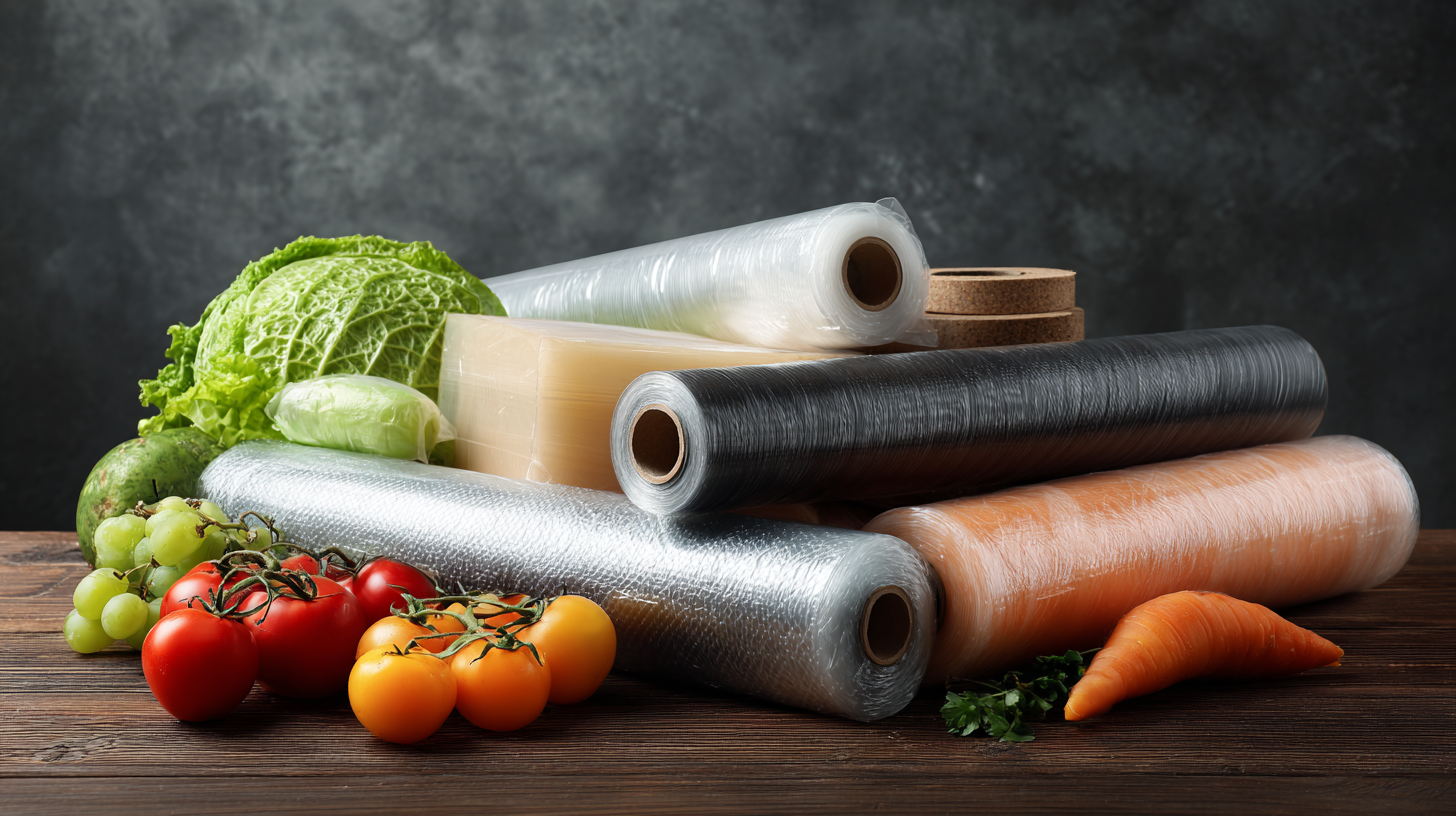
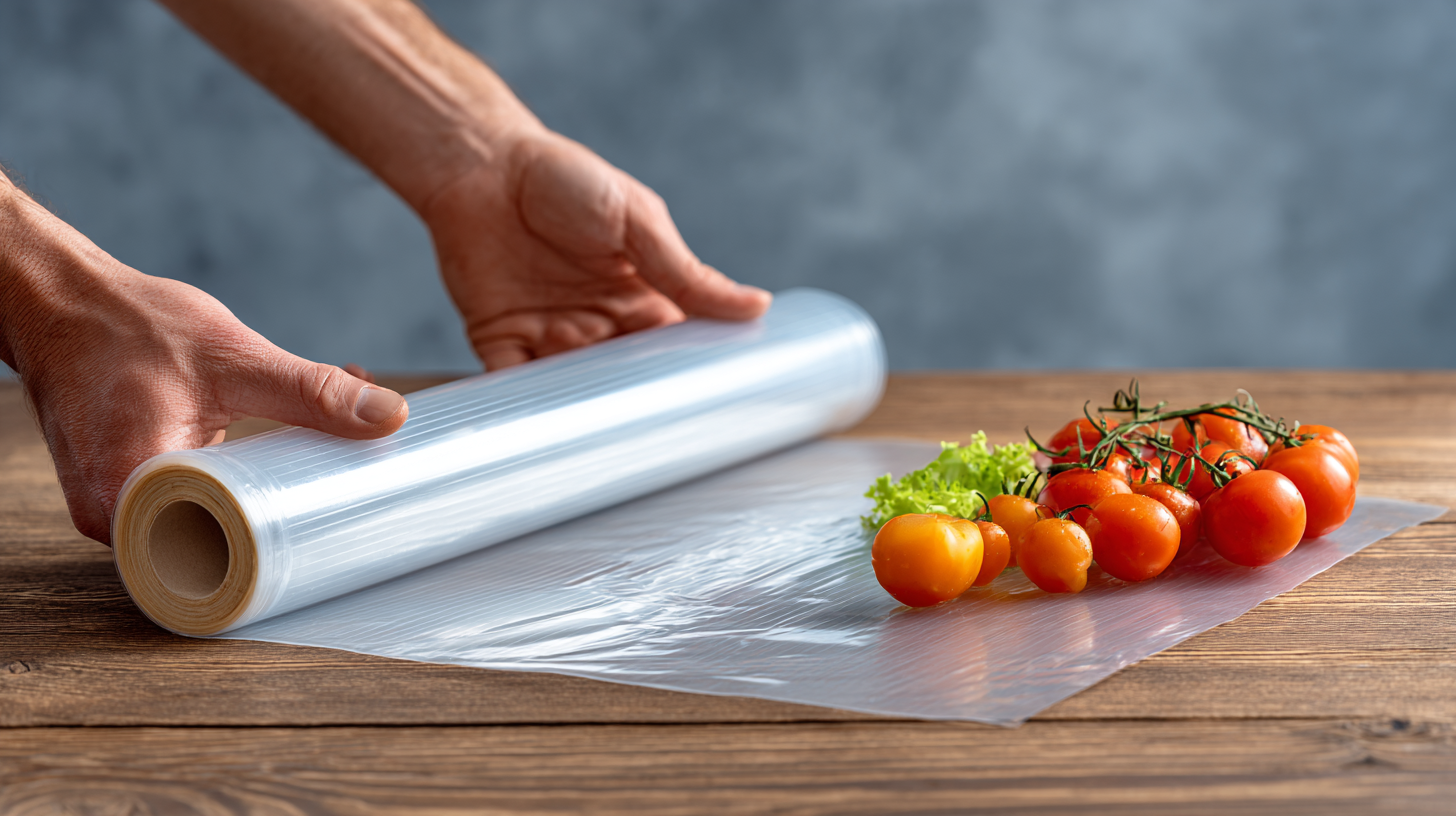
When you're trying to pick out the perfect plastic wrap for your kitchen, it helps to understand the different types you might come across. The most common ones are cling film, freezer wrap, and some specialty wraps that are made for specific tasks. Cling film is a real crowd favorite because it sticks well to surfaces, making it super handy for covering leftovers or wrapping up sandwiches. Plus, it comes in various thicknesses, which can affect how stretchy and durable it is—so you can choose what works best for you.
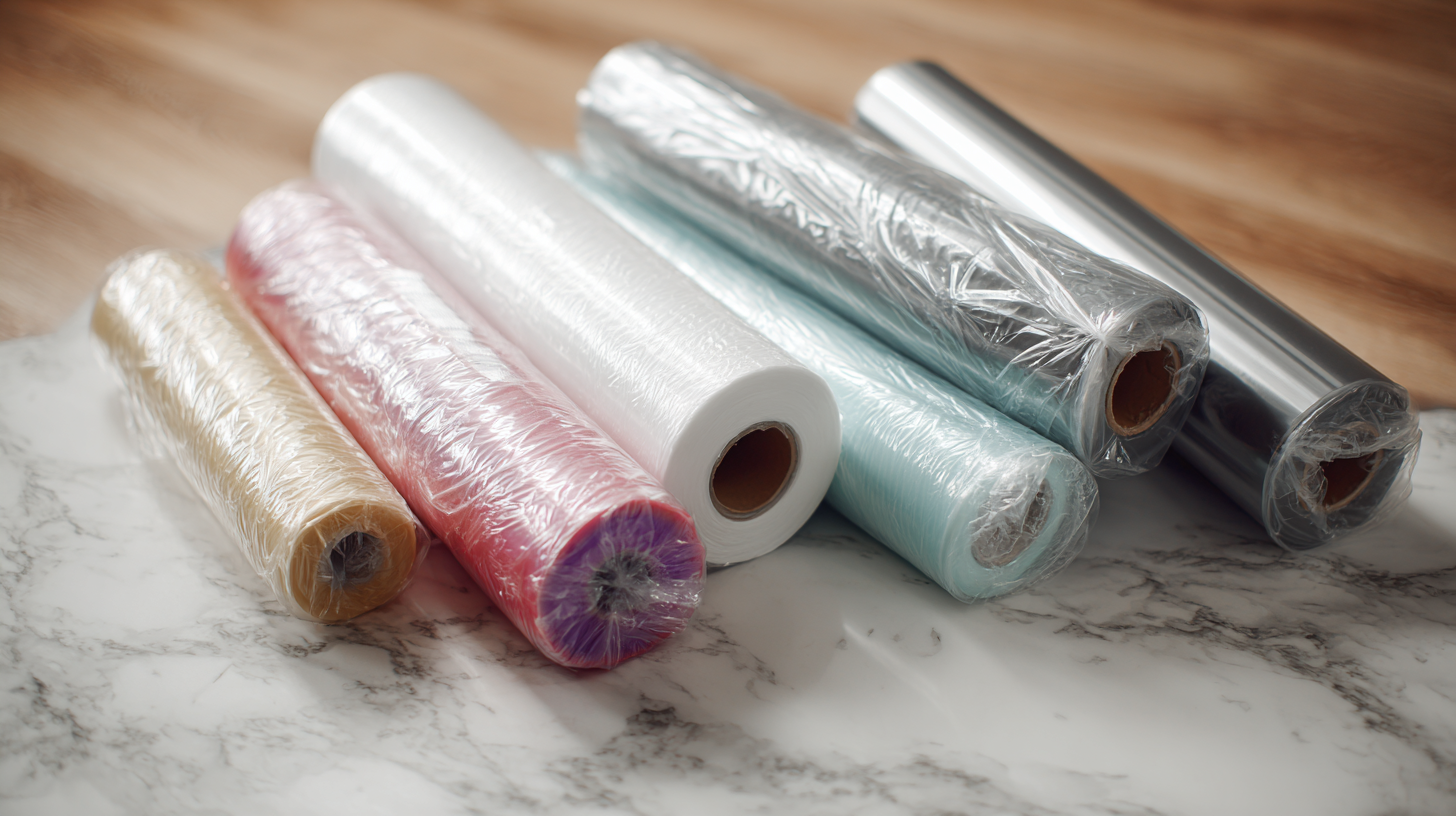
Now, freezer wraps are designed specifically to handle really low temperatures, keeping moisture and air out so your food stays fresh longer in the freezer. And there are some specialty wraps too, like those infused with antimicrobial stuff or ones made for microwave use—great if you've got special needs. As more options hit the market, it’s worth thinking about not just how well they work but also how eco-friendly they are. More brands are now offering biodegradable or recycled plastic wraps, so it’s easier to make a greener choice.
Overall, just take a bit of time to consider what really matters to you—whether it’s long-term storage, microwave safety, or the environment—and you’ll find the right wrap in no time.
Key Factors to Consider When Choosing Plastic Wrap for Food Storage
When you're dealing with kitchen needs, picking the right plastic wrap can really make a difference in how well your food stays fresh. Sometimes, it’s the little things—like the thickness and durability—that matter. Thicker wraps tend to block out air and moisture better, which means your leftovers or prepped meals stay good longer. And, honestly, it’s also a smart move to go for BPA-free options that are safe for contact with your food. Nobody wants to worry about harmful chemicals sneaking in while you’re wrapping up leftovers, right?
Another thing to keep in mind is how well the plastic cling wraps to bowls and containers. A good wrap should hug those surfaces tightly so you don’t have leaks and your food stays fresh. If you’re on the hunt for some reliable options, Rizhao Wanjia International SCM Co., Ltd. offers excellent cling film that covers all your storage needs. Their products are super user-friendly, making it easy to wrap up different kinds of food—so you can keep your leftovers tasting great and your prepped meals ready to go. Ultimately, choosing the right plastic wrap might seem small, but it’s actually pretty essential when it comes to keeping things easy and efficient in the kitchen.
How to Assess the Thickness and Stretchability of Plastic Wrap
When you're picking out the best plastic wrap for your kitchen, it's pretty important to think about how thick and stretchy it is. Thicker wraps tend to ward off punctures and tears better, which is super handy when you're wrapping up something with sharp edges or rough surfaces. There was this study by the Plastic Food Packaging Group that mentioned plastic wraps usually range from about 0.5 to 2.0 mils thick—basically, one mil is like one-thousandth of an inch. Wraps over 1 thousand are usually way more durable, so they’re a smart choice if you're juggling a busy kitchen where you need stuff to hold up.
And let’s not forget stretchability—it’s a big deal. Good quality plastic wraps can stretch up to 300% of their original length without snapping, which makes sealing everything tight and keeping your food fresh way easier. I read a report from the American Institute of Food Technologists that said stretchability isn’t just about fitting things snugly—it also affects how well the wrap clings onto surfaces. At Rizhao Wanjia International SCM Co., Ltd., our cling film is actually designed to stretch nice and far, so your food stays safe and fresh longer. Knowing these little details can really help you pick the right wrap for whatever you're up to in the kitchen.
Tips for Selecting BPA-Free and Eco-Friendly Plastic Wrap Options
When you're picking out plastic wrap for your kitchen, it’s pretty important to think about safety and how eco-friendly it is. These days, more folks are aware of nasty chemicals like BPA, and many are actively searching for options that don’t contain it. I remember reading that about 70% of people are worried about BPA’s health effects—so, going for BPA-free wraps is a smart move. It helps cut down on exposure to toxins and gives you a bit more peace of mind while keeping your food fresh.
If you want to go the eco-friendly route, look for wraps made from renewable resources, like soy-based materials or biodegradable stuff. There’s actually a survey from GreenBlue that shows about 68% of shoppers are willing to shell out a bit more if they know the packaging is sustainable. To be sure you’re making a good choice, check for certifications like the Biodegradable Products Institute (BPI) or the Forest Stewardship Council (FSC). These labels mean the product is safe for your food and better for the planet.
**A few tips I’d give for choosing BPA-free and eco-friendly plastic wraps:**
1. **Do a little homework on brands**—pick ones that clearly show they care about safety and sustainability, and that are transparent about what’s in their products.
2. **Always read the labels carefully**—look for BPA-free marks and other eco-labels that prove it meets safety standards.
3. **Think about reusability**—things like beeswax wraps or silicone covers aren’t just better for the environment, but they’re also BPA-free and can be reused over and over again. It’s a win-win!
Ultimate Guide to Choosing the Best Plastic Wrap for Your Kitchen Needs
| Type of Plastic Wrap | BPA-Free | Eco-Friendly | Thickness (Microns) | Ideal Use |
| PVC Plastic Wrap | No | No | 10-15 | Food storage |
| PE Plastic Wrap | Yes | Yes | 15-20 | Sandwiches, fruits |
| PBAT Compostable Wrap | Yes | Yes | 30-40 | Leftovers |
| Wax Paper Wrap | Yes | Yes | 50-70 | Baking and sandwiches |
| Silicone Food Covers | Yes | Yes | Varies | Covering bowls and dishes |
Best Practices for Using Plastic Wrap in the Kitchen Efficiently
When you're trying to get the most out of plastic wrap in the kitchen, a few simple tips can really make a difference. For starters, make sure the surface you're covering is nice and clean, and totally dry. This helps the plastic wrap stick better and keeps air out, so your food stays fresher, longer. Oh, and don’t forget to pull out just enough — enough to cover your food completely without wasting a bunch of wrap. Nobody likes doing that, right?
Another thing to keep in mind: store your plastic wrap somewhere cool and dry. If it gets too hot, it can get all sticky and tricky to work with. If you notice it’s clinging too much, popping it in the fridge for a few minutes can really help. It makes it more manageable, and it still seals tightly. And hey, when you’re wrapping things up, press down firmly around the edges to get a good seal — that’s key to avoiding leaks and keeping your food fresh.
Plus, you can actually get creative with plastic wrap beyond just storing leftovers. Cover bowls when you’re microwaving, so splatters stay contained. Or wrap up small utensils and tools to keep your drawer tidy. Mix in these little tricks, and pretty soon plastic wrap will become your go-to kitchen sidekick!
Plastic Wrap Usage Efficiency in the Kitchen
Common Mistakes to Avoid When Using Plastic Wrap for Food Preservation
When you're using plastic wrap to keep your food fresh, it's easy to fall into some common traps that can really mess with how long your food stays good. One thing a lot of folks forget is making sure the surfaces you're wrapping are actually clean and dry. If there's any moisture or leftover bits, the wrap might not stick well, and that can create air pockets—bad news because they let spoilage sneak in. Also, if you don’t stretch the plastic wrap tight enough, gaps can form, letting air in and making the whole thing less effective at keeping things fresh.
Another common slip-up? Picking the wrong kind of plastic wrap for what you're doing. Some wraps have chemicals that might transfer to your food, especially if you’re heating things up. So, it’s really worth choosing a food-safe wrap suited for what you need—whether you're freezing leftovers, microwaving, or just covering up your bowl. And don’t forget, how you store the wrap matters too. Keeping it away from heat and sunlight can actually help it last longer and work better. Basically, a little extra care goes a long way with this kitchen staple!
FAQS
: The most common types of plastic wrap include cling film, freezer wrap, and specialty wraps designed for specific uses.
Cling film is popular for its ability to adhere to surfaces, making it ideal for covering leftovers or wrapping sandwiches.
Freezer wraps are specifically manufactured to withstand lower temperatures, preventing moisture and air infiltration, which is essential for maintaining food quality in the freezer.
Thicker wraps generally offer better protection against air and moisture, extending the life of your food, so it's important to consider the material's thickness and durability.
Selecting BPA-free plastic wrap ensures that no harmful chemicals leach into your meals, providing peace of mind during food preparation and storage.
Common mistakes include not ensuring surfaces are clean and dry, failing to stretch the wrap tightly enough, and using the wrong type of plastic wrap for specific foods.
A good plastic wrap should conform tightly to containers to create a reliable seal that prevents leaks and keeps food fresh.
Proper storage away from heat and light is crucial for maintaining plastic wrap's longevity and effectiveness.
Yes, there are biodegradable and recycled plastic wrap options available on the market to consider for those mindful of environmental impact.
Consumers should look for specialty wraps that may include antimicrobial agents or are specifically designed for microwave use, catering to specific food preservation needs.
Conclusion
If you’re trying to figure out the best plastic wrap for your kitchen, our 'Ultimate Guide to Choosing the Right Plastic Wrap' has got you covered. We walk you through all the different types you can find out there, plus what really matters when picking one — like thickness and flexibility — so you can keep your food fresh and tasty. We also stress why going for BPA-free and eco-friendly options isn’t just good for your health but also better for the planet. It’s all about making smarter, more eco-conscious choices.
On top of that, we’ve included some handy tips for using plastic wrap without the hassle, and we point out common mistakes that could ruin your food storage game. As a company that produces a bunch of plastic products, including cling film, Rizhao Wanjia International SCM Co., Ltd. is all about offering quality solutions to help you keep your kitchen running smoothly. Whether you’re a casual cook or a bit of a food prep fanatic, we’re here to support you with reliable, eco-friendly options.