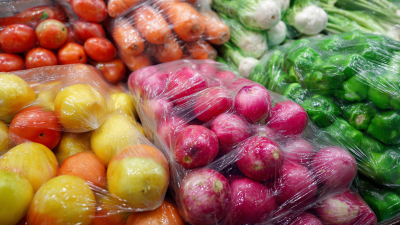
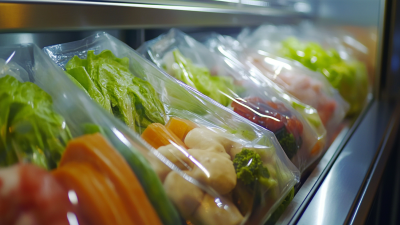
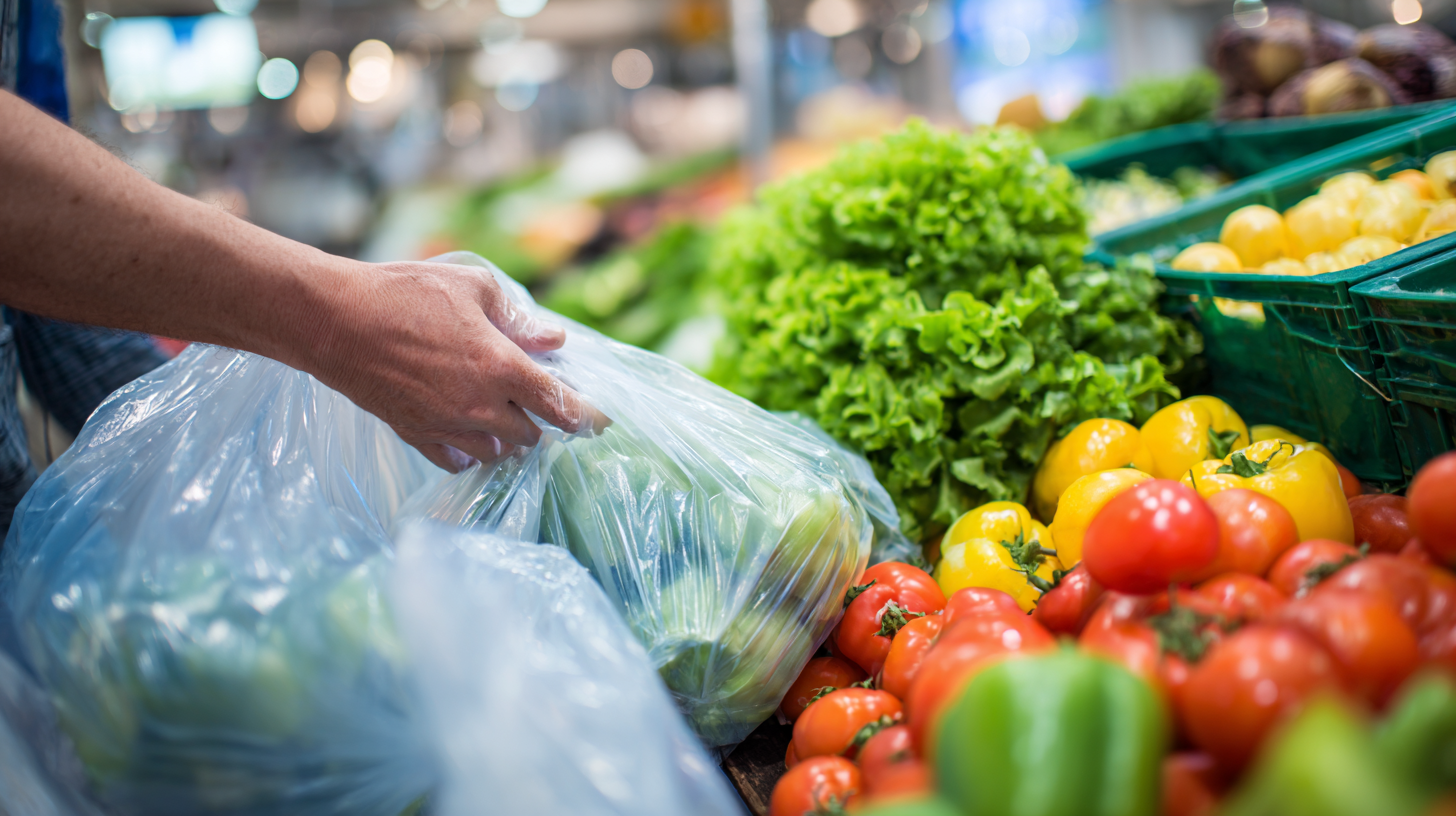
 You know, in the packaging world, the worries about plastic's environmental impact are more intense than ever — especially when it comes to those Produce Plastic Bags we see everywhere. A recent report from the World Economic Forum mentioned that around 300 million tons of plastic are made each year, and a big chunk of that is just for single-use stufflike fruit and Vegetable Bags. As folks become more aware of how these materials hurt our planet, the call forgreener, more sustainable packaging options is really picking up. At Rizhao Wanjia International SCM Co., Ltd., we see this shift too. We're dedicated to making all kinds of plastic bags — including eco-friendly ones — to keep up with what the market needs now. Our goal is to combine innovation and responsibility, tackling the environmental issues caused by plastic packaging, all while still offering top-notch products to our customers. It’s all about finding that balance, you know?
The Rise of Environmental Awareness in Packaging
You know, there's been a pretty noticeable shift lately in how industries approach packaging, especially in food and cosmetics. People are more aware than ever about their environmental impact, and that’s really pushing companies to adopt more sustainable, eco-friendly packaging options. It’s actually reflected in the numbers — for example, the market for food contact paper is expected to jump from around $78.98 billion in 2023 to a whopping $117.4 billion by 2032. That’s a compound annual growth rate of about 4.7%. It’s part of a bigger trend where companies are starting to put environmental concerns front and center in their packaging strategies.
And it’s not just that — in the textile packaging world, you’ve got cool innovations like polyolefin woven sacks and flexible intermediate bulk containers that are gaining ground simply because they’re more sustainable. The beverage packaging industry is riding this wave too, with an estimated market value of nearly $168 billion in 2024 and projected to grow at about 5.3% annually till 2034. All of this is mostly driven by consumers demanding packaging that aligns better with their eco-values. As more environmentally friendly options become the norm, companies aren’t just catching up—they’re actively contributing to a greener future. It’s pretty clear that environmental awareness is really changing the way products are packaged and how people see those products overall.
Understanding the Impact of Plastic Waste on the Environment
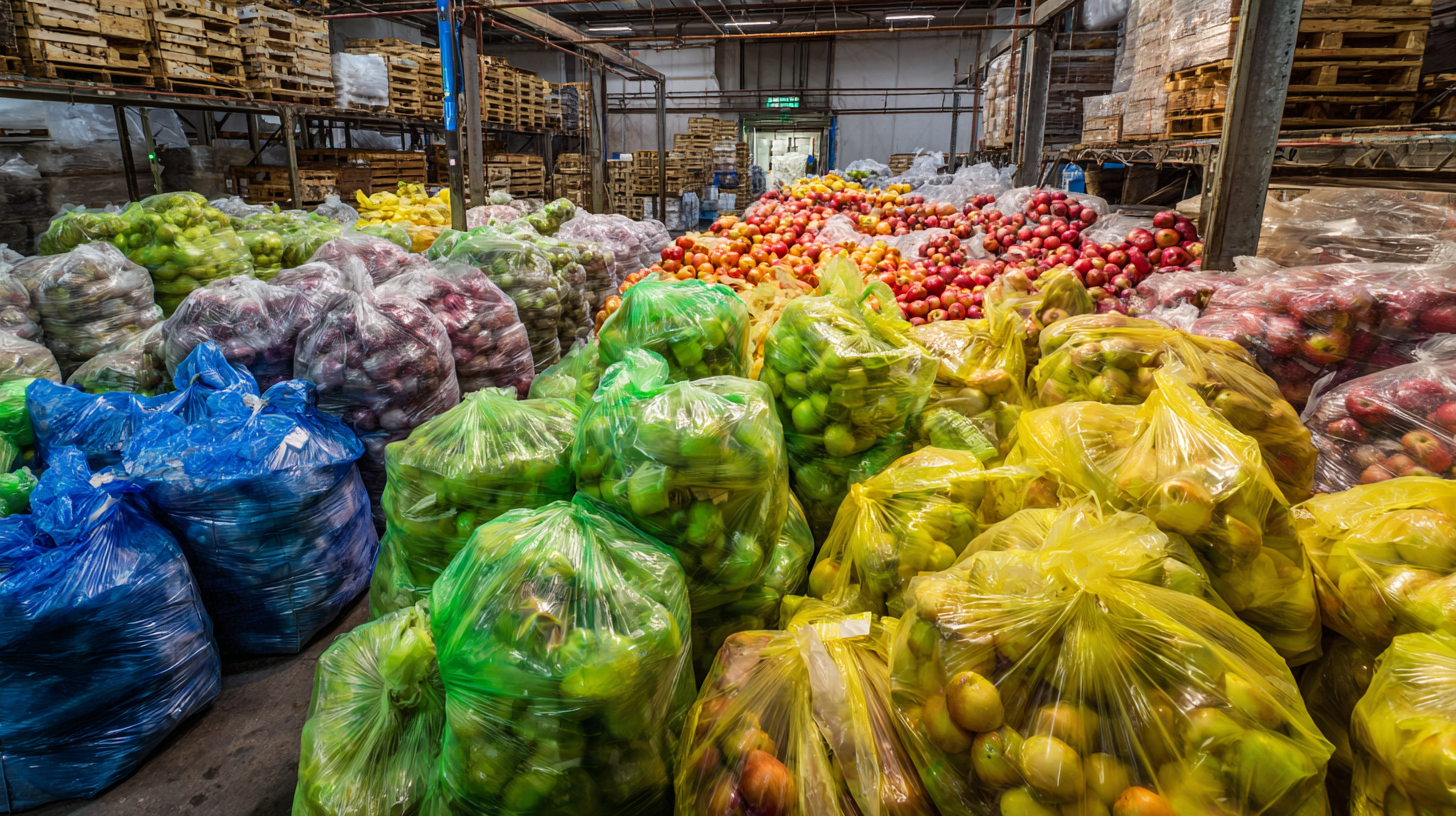
Hey, have you ever thought about just how much plastic waste is impacting our environment right now? Especially those plastic produce bags we see all the time—they’re kind of everywhere. I read somewhere that the World Economic Forum reports around 300 million tons of plastic are made every year, and a lot of that ends up floating around in oceans or piling up in landfills. It’s pretty crazy—this kind of pollution is really wrecking marine life and messing up entire ecosystems. In fact, more than a million sea creatures and countless birds die each year because of plastic—either because they swallow it or get tangled up in it.
So, what can we do about it? Well, businesses and consumers alike can start making some smarter choices. For example, switching to biodegradable or compostable produce bags can make a big difference. The Ellen MacArthur Foundation even suggests that if the world gets on board with using more sustainable materials, we could cut down ocean plastic waste by up to 80% by 2040. That’s a pretty huge impact!
And on a personal note, when you go shopping, maybe give reusable produce bags made from natural fibers a try—trust me, they’re super handy. Plus, educating folks about waste sorting really helps boost recycling efforts and keeps plastic out of nature. Honestly, if we all do our part, not only are we helping protect the planet, but we’re also meeting the demand from more and more people who want sustainable packaging options. It’s kind of a win-win, right?
Sustainable Alternatives to Traditional Produce Plastic Bags
Lately, there's been a real buzz about environmental sustainability, and it’s making waves in the packaging world. A lot of companies are starting to rethink those old-school plastic bags, especially when it comes to produce. Did you know that the U.S. bioplastics market hit around $1.45 billion in 2022? And it’s still growing fast—like, at a steady 19.3% annually. That’s pretty telling—it shows people are really looking for greener options. Biodegradable plastics, which come from natural stuff, seem to be a pretty promising solution. Not only do they cut down on pollution, but they also match what consumers are craving these days—more eco-friendly choices.
Over in Canada, things are also changing. They recently took steps to ban the production and import of certain single-use plastics. The goal? Zero plastic waste by 2030. It’s a bold move, but it really shows how seriously governments are taking environmental issues. For companies trying to keep up, this means looking into innovative ideas like compostable produce bags made from plant-based materials. These options not only help with compliance but also push us toward a more sustainable future. If the packaging industry jumps on board with these alternatives, it could make a huge difference in cutting down plastic waste, all while meeting the needs of consumers who care about the planet.
Addressing Environmental Concerns with Produce Plastic Bags in the Packaging Industry - Sustainable Alternatives to Traditional Produce Plastic Bags
| Alternative Material | Biodegradability | Recyclability | CO2 Emissions (kg per kg) | Production Cost (USD/kg) |
| PLA (Polylactic Acid) | Yes | Yes | 1.5 | 2.50 |
| Kraft Paper | Yes | Yes | 0.8 | 1.20 |
| Biodegradable Plastic (PHA) | Yes | Yes | 3.0 | 4.00 |
| Plant-Based Composite | Yes | Yes | 1.2 | 2.80 |
| Reusable Cloth Bags | Yes | Yes | 0.5 | 3.50 |
Innovative Technologies in Eco-friendly Packaging Solutions
Lately, there’s been a real shift happening in the packaging world—a move towards eco-friendly solutions. Manufacturers are exploring new, innovative tech to tackle the environmental issues caused by traditional plastic bags. Did you know that, according to a recent report from the Ellen MacArthur Foundation, around 300 million tons of plastic are produced globally each year? A good chunk of that stuff ends up in packaging. It’s pretty clear we seriously need better options that are kind to the planet, but still practical and convenient for everyone.
Thankfully, new technologies are popping up all the time. One exciting thing is the development of biodegradable and compostable packaging materials. For example, bioplastics made from renewable resources like corn starch and sugarcane are starting to replace traditional plastics. Companies like TIPA and BioBag are leading the charge, creating flexible packaging that can break down naturally. That means a huge reduction in landfill waste — some estimates even suggest we could cut plastic waste by up to 50% by 2030. Pretty cool, right?
**Tips for Switching to Eco-Friendly Packaging:**
1. **Look into different materials:** Find suppliers that offer sustainable options like bioplastics or recyclable paper-based packaging.
2. **Get your team on board:** Make sure everyone involved understands why switching helps and how it can boost your brand’s reputation.
3. **Take it step by step:** Start small by adding eco-friendly packaging to certain products first. This way, you can see how customers respond and fine-tune your approach along the way.
Best Practices for Reducing Plastic Use in the Food Industry
The food industry is facing some pretty serious challenges right now, especially when it comes to plastic pollution and how we handle food waste. Did you know that every year, over 400 million tons of plastic waste are produced worldwide? A big chunk of that comes from packaging—single-use plastics, to be specific, are quite the troublemakers for our environment. Not only do they harm wildlife, but microplastics can even end up affecting human health. Because of all this, there's an urgent need for better practices to cut down on plastic use in food packaging.
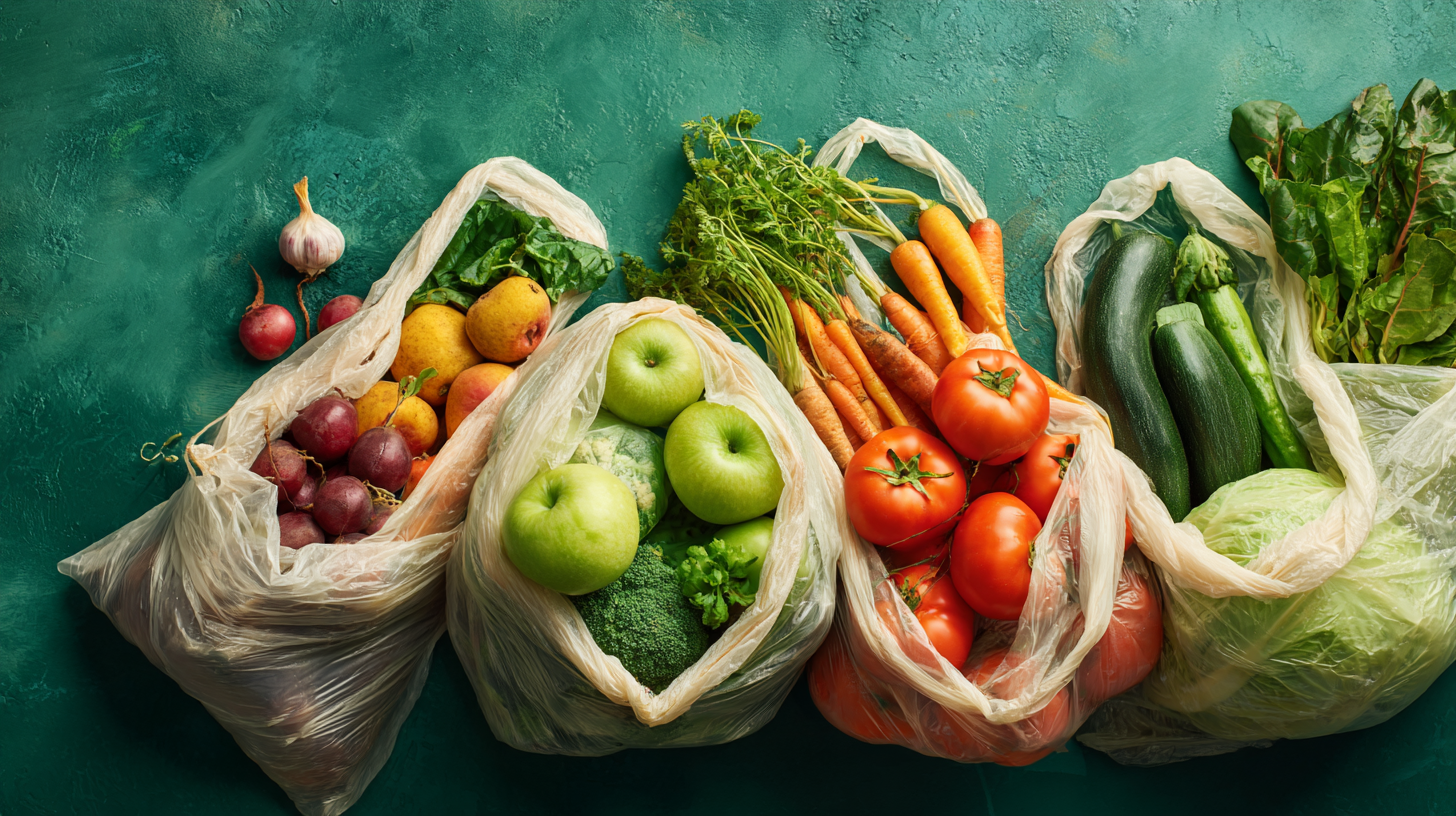
So, what can folks in the industry do? Well, there are some pretty cool strategies worth considering. For example, switching to reusable packaging or choosing more eco-friendly materials can make a huge difference in reducing plastic waste. A recent review of plastic production highlighted how a sensible, well-planned approach—like improving recycling systems and better collection—is essential to fight pollution. Plus, teaming up between food delivery companies and local governments can really push things forward. When everyone works together, it’s easier to make real change happen. By adopting these kinds of practices, the food industry can seriously reduce its environmental impact while moving toward a more sustainable future.
The Role of Consumers in Driving Sustainable Packaging Change
As sustainability has really become a hot topic these days, more and more people are actually playing a key role in pushing for eco-friendly packaging, especially in the produce world. I recently came across a survey by the Global Packaging Alliance—sounds fancy, right?—and guess what? About 67% of folks said they’re even willing to shell out a bit extra for packaging that’s better for the environment. Crazy, huh? This kind of shift in buying habits is forcing companies to look at their packaging choices again, moving toward options that are biodegradable or recyclable. It’s pretty clear that consumer demand isn’t just a nudge anymore; it's a full-on shove encouraging brands to get creative. Plus, it’s helping everyone understand just how much damage those single-use plastics are doing.
If you’re looking to make a difference, a couple of simple things can really add up. For example, next time you’re shopping for produce, try to pick loose items instead of pre-packaged ones that come in plastic bags. And don’t forget to bring your own reusable bags—trust me, it’s super easy and makes a big impact. There’s even a study from the Ellen MacArthur Foundation that says if more of us used reusable bags, we could cut down plastic waste by up to 60 million tons each year. Cool, huh? Also, supporting brands that actually care about sustainability and sharing your preferences with the stores can help push the industry in the right direction. Basically, by making a few conscious choices, we all can play a part in shaping a greener, more sustainable future for packaging."
Exploring Market Trends: The Rising Demand for Disposable PE Stripes Color Plastic Vest Bags in Sustainable Shopping Solutions
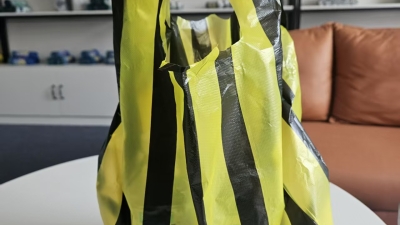
In recent years, the market for disposable PE stripes color plastic vest bags has seen a significant surge, primarily driven by the increasing emphasis on sustainable shopping solutions. According to market research conducted by Smithers Pira, the demand for eco-friendly packaging options is expected to grow at a robust CAGR of 5.4% from 2021 to 2026. This trend is reinforced by consumer preferences shifting towards products that not only meet their shopping needs but also align with environmental consciousness.
Our T-shirt bags, a favorite among retail and grocery outlets, exemplify this shift. These bags are designed for convenience and efficiency, addressing the fast-paced nature of modern life while maintaining affordability. Available in various colors, styles, and sizes, they cater to a diverse customer base. Moreover, high-density can liners have established themselves as a cost-effective option in the market. They feature outstanding characteristics such as excellent odor and moisture barriers, coupled with high dart impact and tensile strength, making them resilient and reliable for everyday use.
Data from the Flexible Packaging Association highlights that flexible plastic packaging, including our disposable vest bags, is not only practical but contributes positively to waste reduction efforts. As more consumers opt for sustainable shopping practices, embracing these eco-friendly bags represents both a smart choice and a commitment to a greener planet. Retailers can play a pivotal role in this transformation by incorporating high-quality, sustainable packaging options into their offerings.
FAQS
: Biodegradable plastics are made from natural materials and offer a promising solution to reduce environmental impact associated with traditional plastic bags.
The demand for sustainable packaging is rising due to increasing consumer awareness and concern about environmental sustainability, with many consumers willing to pay more for eco-friendly options.
Canada has recently banned the manufacturing and importing of certain single-use plastics, aiming for zero plastic waste by 2030, which encourages a shift towards sustainable alternatives.
Consumers can reduce plastic waste by choosing loose produce instead of pre-packaged items and bringing their own reusable bags to the grocery store.
If more consumers use reusable bags, studies suggest it could significantly reduce plastic waste by up to 60 million tons annually.
Consumers can influence companies by supporting brands that prioritize sustainable practices and by actively voicing their preferences for eco-friendly packaging options.
Compostable produce bags, made from plant-based materials, are one example of sustainable alternatives that provide compliance with environmental regulations.
The U.S. bioplastics market reached a value of $1.45 billion in 2022 and continues to grow at a compound annual growth rate of 19.3%, reflecting a clear shift towards sustainable packaging solutions.
Consumers play a pivotal role by driving demand for sustainable packaging options and pressuring companies to innovate in their practices to meet eco-friendly expectations.